
Tile or Natural Stone Which is Right for Your Home from Mewar Builders Pvt Ltd

Choosing the right flooring or wall finish can transform your home’s look and feel. When it comes to selecting between tile and natural stone, many homeowners face a tough decision. Both options offer unique benefits and challenges. This guide from Mewar Builders Pvt Ltd shares expert advice to help you make an informed choice that fits your style, budget, and lifestyle.
Understanding Tiles and Natural Stone

Before deciding, it’s important to understand what tiles and natural stone are, and how they differ.
Tiles are manufactured materials made from clay, ceramic, porcelain, or other composites. They come in a wide range of colors, patterns, and finishes. Tiles are often glazed, which adds a protective layer and allows for vibrant designs.
Natural stone includes materials like marble, granite, limestone, slate, and travertine. These stones are quarried from the earth and cut into slabs or tiles. Each piece has unique patterns and textures, making natural stone a one-of-a-kind choice.
Durability and Maintenance
Durability is a key factor when choosing between tile and natural stone.
Tiles are generally very durable, especially porcelain tiles. They resist scratches, stains, and moisture well. Tiles are also less porous, which means they don’t absorb water easily, making them ideal for kitchens and bathrooms.
Natural stone varies in durability depending on the type. Granite is very hard and resistant to scratches, while softer stones like marble and limestone can scratch or etch more easily. Natural stone usually requires sealing to protect it from stains and moisture.
Maintenance also differs:
Tiles require minimal upkeep. Regular sweeping and mopping keep them clean. Grout lines may need occasional scrubbing or resealing.
Natural stone needs more care. Sealing should be done periodically to maintain its appearance and prevent damage. Cleaning requires pH-neutral products to avoid etching or dulling the surface.
Aesthetic Appeal and Design Flexibility
Both tile and natural stone offer distinct aesthetic qualities.
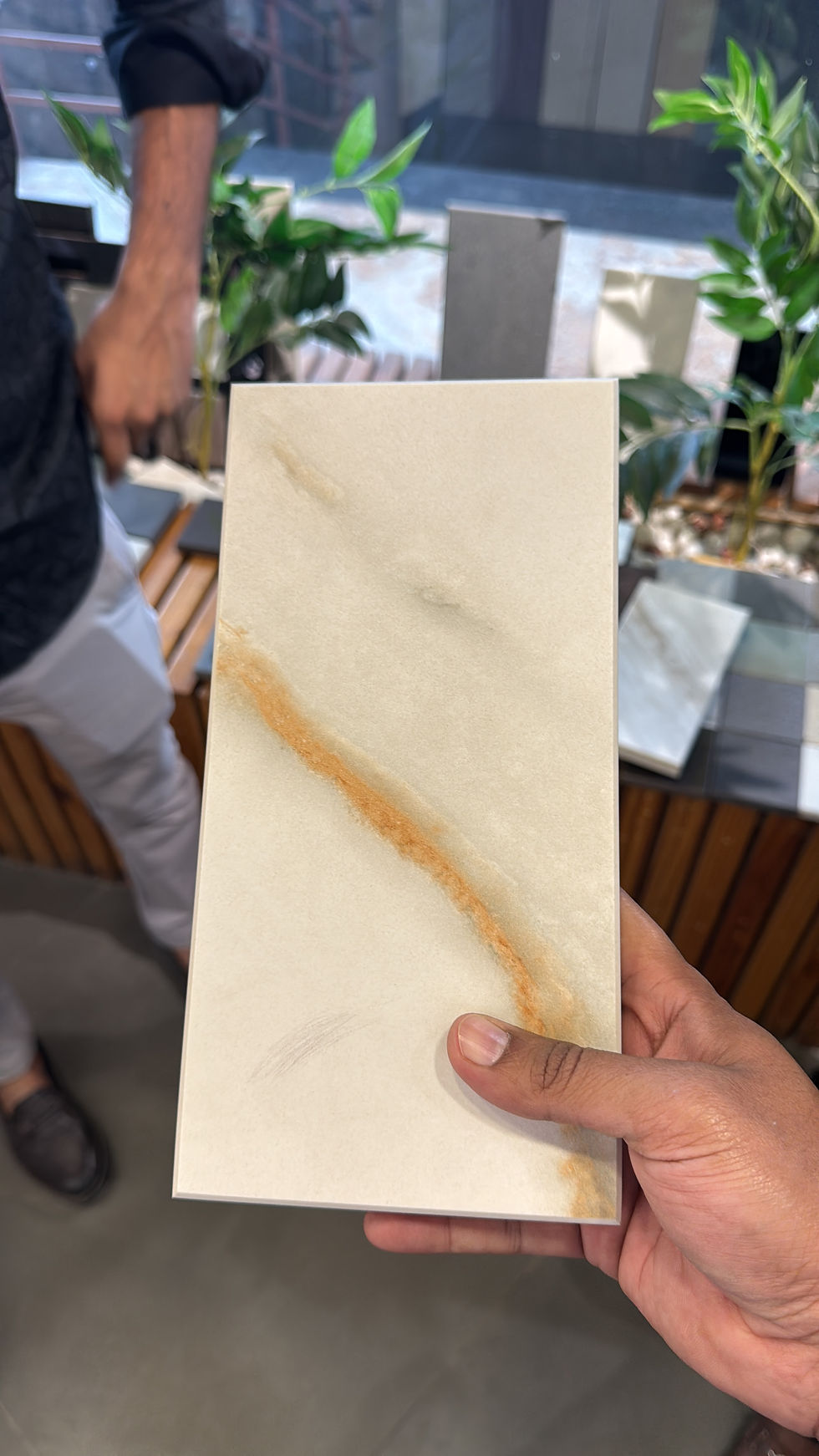
Tiles provide endless design options. You can find tiles that mimic wood, stone, or even metal. Patterns, colors, and shapes can be mixed to create custom looks. Tiles suit modern, traditional, and eclectic styles.
Natural stone brings natural beauty and elegance. The unique veins, colors, and textures add character and warmth. Stone often suits classic, rustic, or luxury interiors. Because no two slabs are alike, natural stone creates a truly unique space.

Cost Considerations
Budget plays a major role in your decision.
Tiles are generally more affordable. Ceramic and porcelain tiles offer good value for money and come in a wide price range. Installation costs are usually lower because tiles are easier to handle and cut.
Natural stone tends to be more expensive. The cost depends on the stone type, quality, and thickness. Installation requires skilled labor, which adds to the price. Over time, maintenance costs for sealing and repairs should also be considered.
Installation and Longevity
Installation affects both the look and lifespan of your flooring or walls.
Tiles are easier and faster to install. They can be laid over existing floors in some cases, reducing renovation time. Tiles are less prone to cracking if installed properly.
Natural stone installation is more complex. The slabs are heavier and require precise cutting and fitting. Improper installation can lead to cracks or uneven surfaces. However, with proper care, natural stone can last for decades, often outlasting tile.
Environmental Impact
Sustainability is increasingly important in home design.
Tiles, especially ceramic and porcelain, are made from natural materials but require energy-intensive manufacturing. Some brands offer eco-friendly options using recycled materials.
Natural stone is a natural product with minimal processing, but quarrying can have environmental impacts. Choosing locally sourced stone reduces transportation emissions.
Where to Use Tile or Natural Stone
Knowing the best applications helps you decide.
Tiles work well in high-traffic areas like kitchens, bathrooms, and hallways. Their water resistance and durability make them practical.
Natural stone is ideal for living rooms, foyers, and outdoor spaces where its beauty can shine. Some stones handle moisture well and can be used in bathrooms, but softer stones may not be suitable.
Expert Tips from Mewar Builders Pvt Ltd
Mewar Builders Pvt Ltd recommends considering these points:
Match your choice to your lifestyle. For families with kids or pets, durable tiles might be better.
Think about the room’s function and exposure to moisture.
Balance aesthetics with maintenance willingness.
Consult with professionals for installation to ensure longevity.
Mix materials if desired: use natural stone in feature areas and tiles elsewhere for cost savings.
Final Thoughts
Choosing between tile and natural stone depends on your priorities: durability, design, budget, and maintenance. Tiles offer versatility and ease of care, while natural stone provides timeless beauty and uniqueness. Mewar Builders Pvt Ltd encourages homeowners to weigh these factors carefully and seek expert advice to create a home that feels both beautiful and practical.


Comments